
Superconducting Qubits
6 articles

Google Quantum AI Demonstrates Measurement Contextuality on Willow, Up to 105 Qubits
Google Quantum AI demonstrated quantum contextuality on its Willow processors using up to 105 qubits, surpassing classical limits in multiple experimental tasks. This achievement also establishes contextuality tests as a novel, sensitive benchmark for quantum hardware.
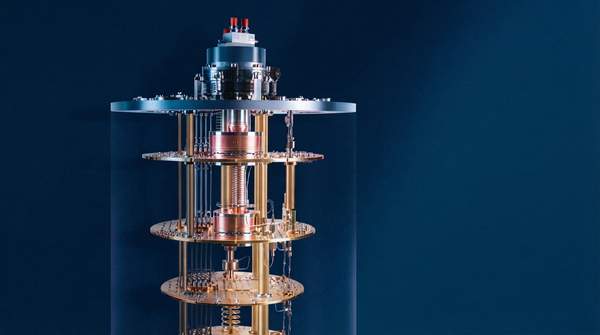
Superconducting, Trapped Ion, or Neutral Atom: The Three-Way Trade-Off Shaping Quantum Computing
The race for quantum computing hardware is a three-way trade-off between superconducting circuits, trapped ions, and neutral atoms, with no single platform holding a decisive lead. Understanding the distinct advantages and disadvantages of each—speed versus coherence, fidelity versus scale—is key to critically evaluating progress in the field.

Fast Gates or Full Connectivity? The Trade-offs Splitting Quantum Computing's Three Leading Architectures
Quantum computing's leading architectures—superconducting circuits, trapped ions, and neutral atoms—each present distinct trade-offs between gate speed, qubit quality, connectivity, and operational requirements. The optimal choice for an algorithm depends on balancing these factors against specific computational demands and available resources.
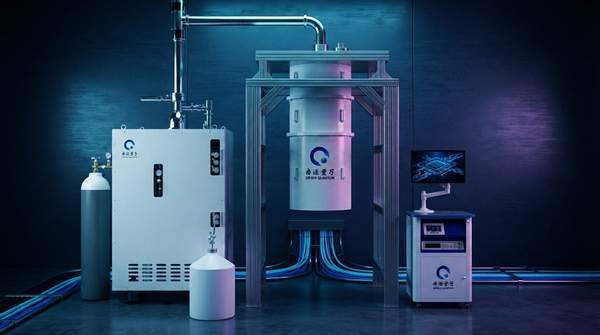
Scaling Quantum Computers to 100+ Qubits: How Photonic, Trapped-Ion, and Superconducting Architectures Trade Connectivity Against Error Correction
Scaling quantum computers to hundreds of qubits is an architectural challenge, not a manufacturing race. Leading platforms like photonic, trapped-ion, and superconducting qubits each address distinct scaling problems related to connectivity, error correction, and classical control.
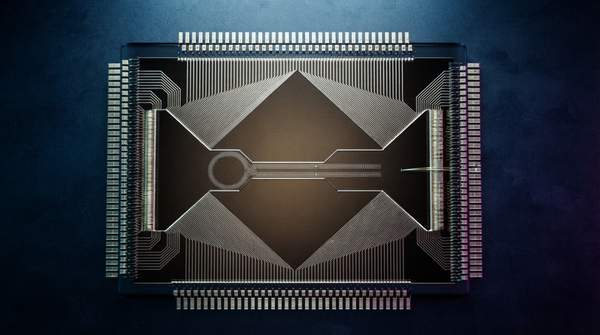
Why Materials Science Is the Bottleneck for Quantum Computing
Quantum computing's scalability is hindered not by theory, but by fundamental materials science challenges. Microscopic defects, nuclear spins, and environmental instabilities in qubit materials destroy delicate quantum states, making materials purity and stability the decisive engineering constraint.
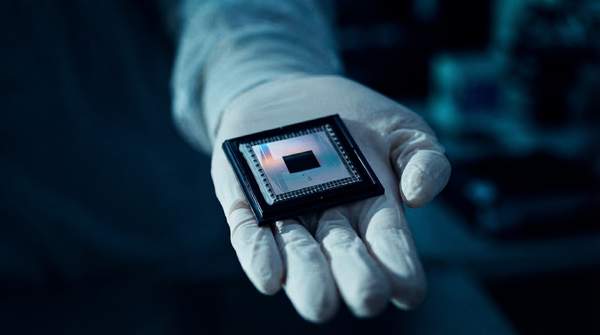
Speed, Coherence, and Scale: How the Leading Qubit Architectures Trade Against Each Other
No single qubit architecture currently dominates for fault-tolerant quantum computing due to inherent trade-offs between coherence, gate speed, connectivity, and scalability. Leading platforms like superconducting qubits, trapped ions, and silicon spin qubits each resolve these tensions differently, with improvements in one area often costing another.