

Biotech & Health
How CRISPR Gene Drives Break the Rules of Inheritance — and Where They Break Down
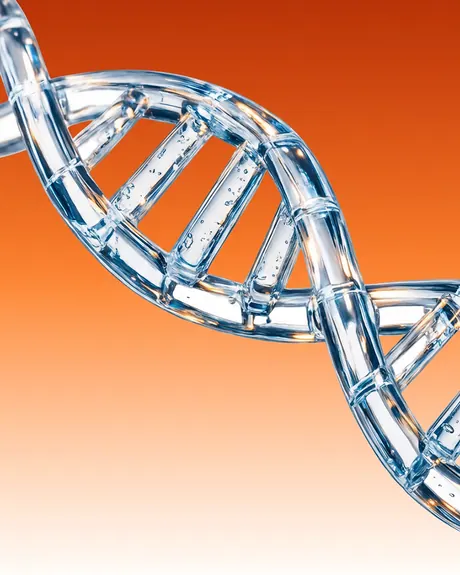
CRISPR-Cas9 gene drives can rapidly spread genetic traits by overriding Mendelian inheritance, but their effectiveness is severely limited by the frequent evolution of resistance alleles that prevent the drive from copying itself. Overcoming this molecular failure mode is crucial for gene drives to move from laboratory research to real-world applications.
5 min read·November 17, 2026
Quantum Computing·5 min read
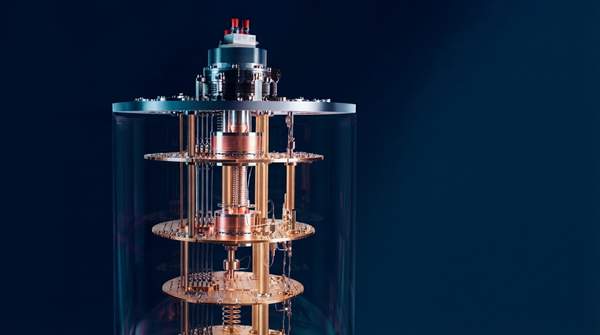
Three Paths to Fault-Tolerant Quantum Computing: Surface Codes, Long-Range Connectivity, and Measurement-Based Architectures Compared

Tech Today·5 min read
Four Ways Cobots Work Safely Beside Humans: The Standards and Modes Explained

Tech Today·5 min read·Sponsored by Anshul Jain
AI-Powered Software Testing: How ThinkSys Approaches Automation in Modern QA

Future of Energy·5 min read
Building Materials Hold the Biggest CO2 Market, Fuels Dominate the Pipeline: A Three-Pathway Guide to Carbon Utilization

Quantum Computing·5 min read
ML-KEM, ML-DSA, and SLH-DSA: How NIST's Three Post-Quantum Standards Differ and What Each Means for Your Migration
Quantum Computing·6 min read
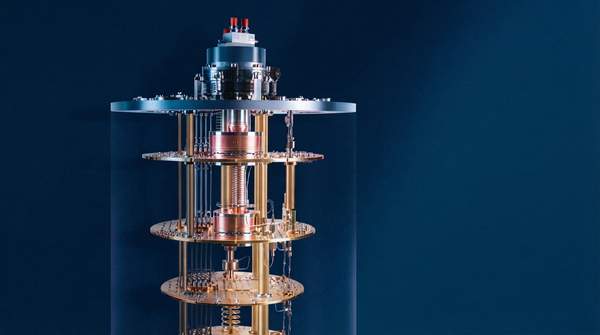
Superconducting, Trapped Ion, or Neutral Atom: The Three-Way Trade-Off Shaping Quantum Computing
Neuroscience & Mind·5 min read
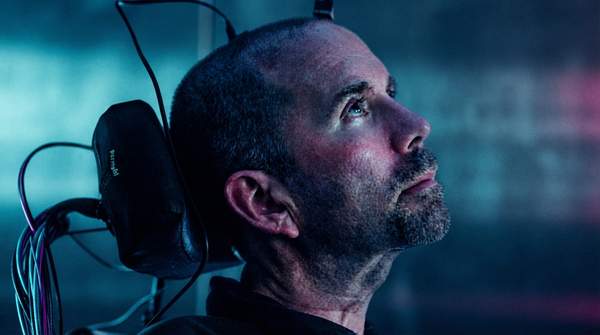
Brain-Computer Interfaces Raise Three Core Ethical Risks—And a Proposed "Neurorights" Framework Built to Answer Them

Biotech & Health·4 min read·Sponsored by LifeWave
How LifeWave Enhances Cellular Performance: 4 Ways That Matter for Natural Vitality
Neuroscience & Mind·5 min read
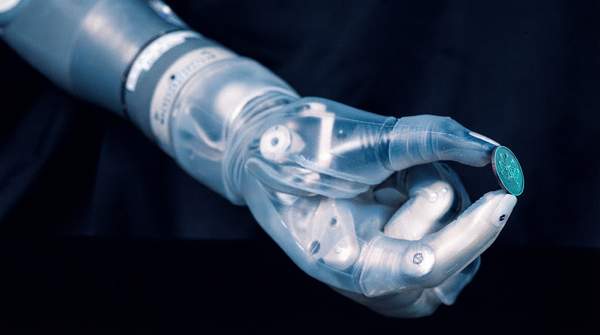
Why Thought-Controlled Prosthetics Still Aren't Everyday Medicine: The Three Barriers Holding Brain–Computer Interfaces Back

Biotech & Health·5 min read
CRISPR vs. TALENs vs. ZFNs: How to Choose the Right Gene-Editing Tool for Your Synthetic Biology Project
Opinion & Editorial

Biotech & Health
Longevity Science's Ethical Divide: Will Only the Rich Live Forever?
Juliana Campos · Sep 12

Artificial Intelligence
Education's Ethical AI Governance Gap Poses Major Risks by 2026
Dr. Aris Thorne · Aug 29

Neuroscience & Mind
AI brain scans could diagnose aging faster, but bias and privacy loom.
Juliana Campos · Jul 31

Space Exploration
NASA Is Buying Mars Science, Not Just Rides: Inside the Aeolus Partnership With Relativity Space
Daron Krikorian · Jun 29

AI's Polished Language: A Hidden Threat to Research Integrity
Dr. Aris Thorne · May 14
Analysis & Trends
Quantum Computing
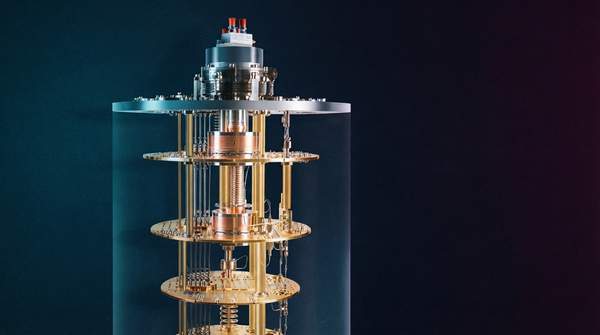
Fast Gates or Full Connectivity? The Trade-offs Splitting Quantum Computing's Three Leading Architectures
Dr. Aris Thorne · Nov 13

Space Exploration
Three Strategies for Keeping Orbit Safe: Surveillance, Rules, and Coordination Compared
Daron Krikorian · Nov 12
Quantum Computing
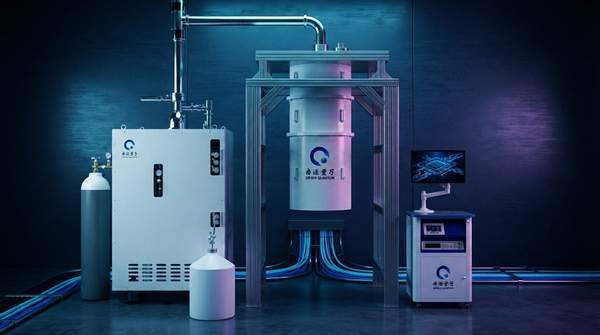
Scaling Quantum Computers to 100+ Qubits: How Photonic, Trapped-Ion, and Superconducting Architectures Trade Connectivity Against Error Correction
Dr. Aris Thorne · Nov 11
Biotech & Health
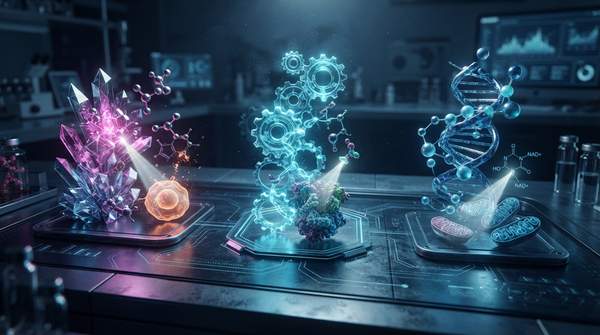
Three Ways to Drug Aging: Senolytics, mTOR Inhibitors, and NAD+ Precursors Compared
Juliana Campos · Nov 11
Quantum Computing
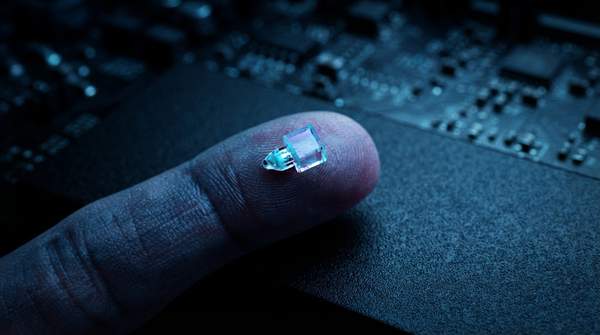
NV Centers vs. OPMs: How Two Quantum Sensor Platforms Split the Sensing Market
Dr. Aris Thorne · Nov 9

Artificial Intelligence
LIME, SHAP, or Attention: Choosing the Right Interpretability Method for Your Model
Dr. Aris Thorne · Nov 6
Explainers
Quantum Computing
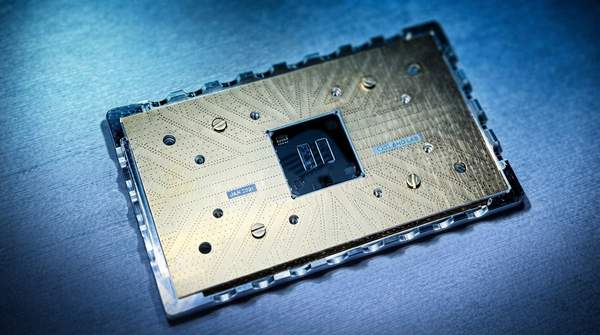
How an Andreev Qubit's Own Supercurrent Could Read Out Quantum States Without Collapsing Them
Dr. Aris Thorne · Nov 15
Space Exploration
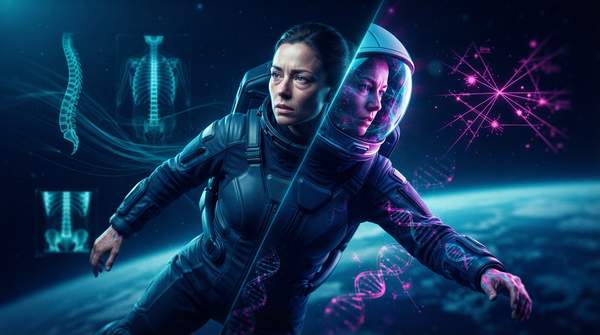
Two Different Assaults on the Body: How Microgravity and Space Radiation Each Shape Astronaut Health
Daron Krikorian · Nov 14
Quantum Computing
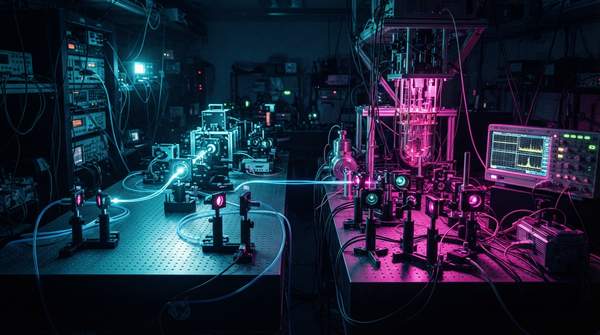
Bell Tests vs. Entanglement Witnesses: Two Ways of Proving Quantum Entanglement, and Why the Difference Matters
Dr. Aris Thorne · Nov 14

Artificial Intelligence
Full Fine-Tuning, LoRA, or QLoRA? Choosing the Right Way to Specialize an Enterprise LLM
Dr. Aris Thorne · Nov 13
Future of Energy
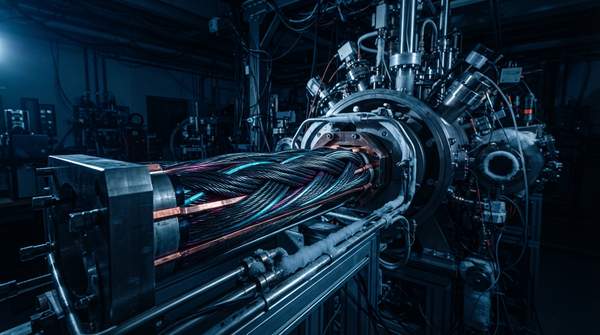
How High-Temperature Superconductors Shrink Fusion Reactors — and What Still Stands in the Way
Dr. Aris Thorne · Nov 12
Biotech & Health
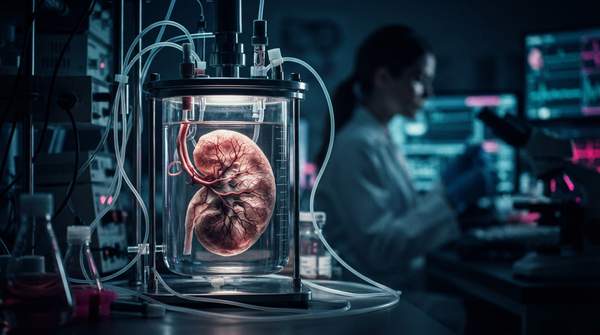
Why Lab-Grown Organs Are Stalled on Blood Vessels, Cell Choices, and Unsettled Ethics
Lena Petrova · Nov 12