
Brain Computer Interfaces
6 articles
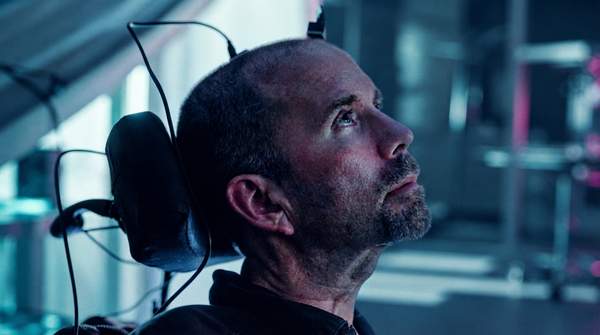
How Haptic Feedback Closes the Loop in Brain-Computer Interfaces
A complete brain-computer interface (BCI) requires a closed loop, returning sensory feedback like touch to the brain. This haptic feedback enables users to refine commands, leading to more intuitive control of prosthetics and virtual reality.
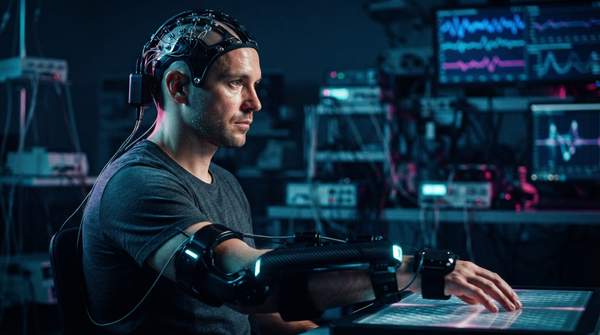
A Guide to Brain-Computer Interfaces for Motor Restoration
Brain-computer interfaces (BCIs) offer diverse pathways to restore motor function, with applications tailored to specific neurological conditions and patient needs. Understanding the distinctions between invasive and non-invasive systems is crucial for selecting the most appropriate technology for motor restoration.
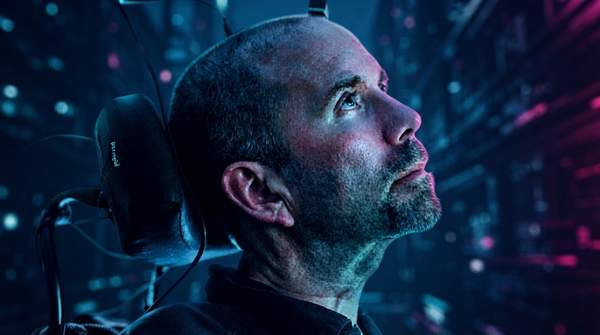
How Brain-Computer Interfaces Translate Thought into Motion
Brain-computer interfaces (BCIs) restore motor function for individuals with paralysis by decoding brain activity and translating it into control signals for external devices like robotic limbs. The technology offers a direct pathway from thought to action, balancing precision with safety through invasive and non-invasive approaches.
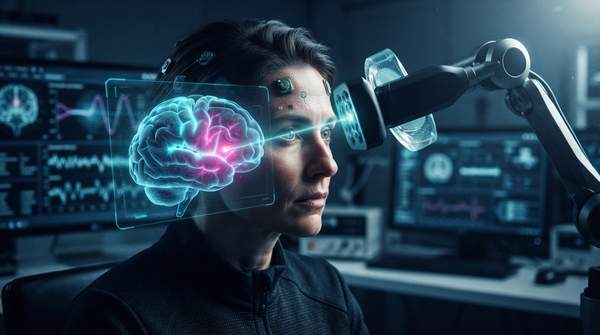
Beyond EEG: How Ultrasound Aims for Pinpoint Precision in Brain-Computer Interfaces
Transcranial focused ultrasound (tFUS) is emerging as a non-invasive technology for brain-computer interfaces (BCIs), offering unprecedented millimeter-scale spatial resolution. This advancement aims to bridge the gap between precision and safety, potentially enabling more accurate BCI control without surgical implantation.

How Do Brain-Computer Interfaces Connect Minds and Machines?
Macaque monkeys are already navigating virtual reality environments using only their thoughts, revealing the profound potential of brain-computer interfaces.

Implanted vs. Wearable: How Brain-Computer Interfaces Are Splitting Into Two Very Different Technologies
Brain-computer interfaces are diverging into two distinct technological paths: invasive implanted devices for restoring critical functions in severely disabled individuals, and non-invasive wearable devices targeting broader everyday consumer applications. While implants offer high precision for medical restoration, wearables are advancing towards practical, hands-free interaction with consumer electronics.