
Autonomy
2 articles
Neuroscience & Mind
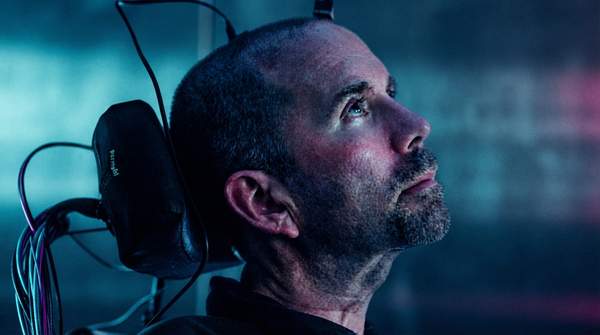
Brain-Computer Interfaces Raise Three Core Ethical Risks—And a Proposed "Neurorights" Framework Built to Answer Them
Brain-computer interfaces (BCIs) present significant ethical challenges related to mental privacy, autonomy, and equitable access. A proposed framework of five "neurorights" aims to safeguard individuals by establishing protections for mental privacy, personal identity, free will, cognitive enhancement equity, and against algorithmic bias.
Juliana Campos·November 16, 2026

Neuroscience & Mind
Ethics at the Neural Frontier: How to Evaluate Brain-Computer Interfaces Before They Scale
Brain-computer interfaces (BCIs) present significant ethical challenges, requiring careful evaluation before widespread adoption. This article outlines core principles like autonomy, privacy, and equity, and provides a framework for assessing BCI applications based on their purpose and invasiveness.
Lena Petrova·November 5, 2026