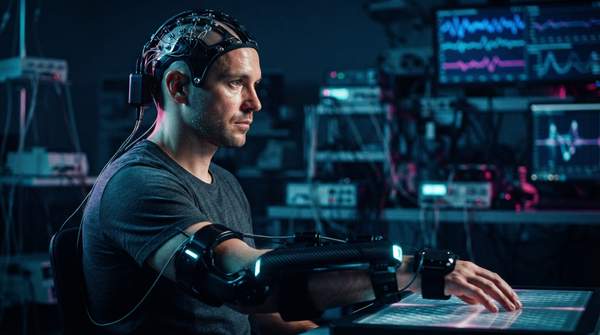
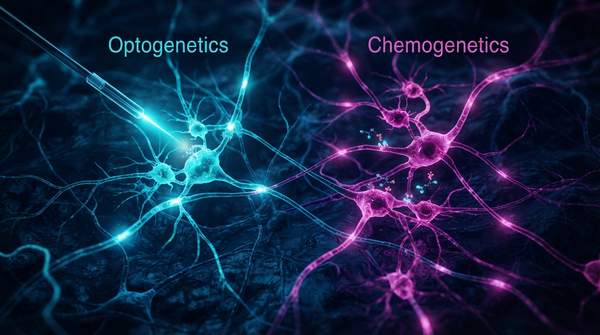
The number of clinical trials for vagus nerve stimulation (VNS) alone has grown exponentially since 2015, with 86% of these non-invasive trials reporting symptom improvements. This surge offers a powerful glimmer of hope for individuals struggling with mental health conditions, especially when traditional treatments have fallen short. The rapid expansion of neurotechnology research in 2026 points to a future where personalized, effective interventions could become commonplace.
However, this rapid increase in neurotechnology clinical trials, despite showing high rates of reported symptom improvement, faces a critical challenge: a significant majority of these trial results remain unpublished. Of 440 VNS clinical trials examined, 346 met inclusion criteria, yet only 42.5% had published results, and a mere 9.8% of those were actually available, according to PMC. This lack of transparency creates a dangerous assumption of efficacy, with many promising treatments lacking verifiable scientific backing.
Based on this exponential growth and reported efficacy, neurotechnologies, particularly non-invasive methods, are poised to become a mainstream and highly effective option for mental health treatment. This future, however, hinges on a crucial improvement in research transparency.
7 Neurotechnologies for Mental Health Treatment in 2026
For patients seeking alternative solutions, several emerging neurotechnologies offer diverse pathways to improved mental well-being.
1. Repetitive Transcranial Magnetic Stimulation (rTMS)
Best for: Individuals with depression, bipolar disorder, or OCD resistant to medication.
Repetitive Transcranial Magnetic Stimulation (rTMS) uses magnetic fields to stimulate nerve cells in the brain. This non-invasive technique is authorized by the FDA for specific mental disorders like depression, bipolar disorder, and OCD, according to the National Institute of Mental Health (NIMH).
Strengths: Non-invasive; FDA-authorized for multiple conditions; established efficacy. | Limitations: Requires multiple sessions; potential for mild side effects like headache. | Price: Varies, often covered by insurance for approved conditions.
2. Electroconvulsive Therapy (ECT)
Best for: Severe depression or bipolar disorder when other treatments fail.
Electroconvulsive Therapy (ECT) involves a brief electrical stimulation of the brain while the patient is under general anesthesia. The FDA authorizes ECT for severe depression, bipolar disorder, and OCD, as reported by NIMH.
Strengths: Highly effective for severe, treatment-resistant cases; FDA-authorized. | Limitations: Invasive (requires anesthesia); potential for memory loss and confusion. | Price: High, typically covered by insurance for severe conditions.
3. Transcutaneous auricular Vagus Nerve Stimulation (tVNS)
Best for: Patients with major depressive disorder, peripartum depression, or treatment-resistant depression seeking non-invasive options.
Transcutaneous auricular Vagus Nerve Stimulation (tVNS) offers a non-invasive alternative to invasive VNS, stimulating the auricular branch of the vagus nerve with electrical currents. Studies in Nature suggest tVNS may be an effective and well-tolerated treatment for major depressive disorder (MDD), peripartum depression, and treatment-resistant depression (TRD). This aligns with broader VNS trial data, where 86% were non-invasive and 91% reported symptom improvements, according to PMC.
Strengths: Non-invasive; well-tolerated; promising for various depressive disorders. | Limitations: Research is ongoing; long-term efficacy still under investigation. | Price: Varies by device and treatment plan.
4. Transcranial Direct Current Stimulation (tDCS)
Best for: Individuals with depression symptoms or those needing emotional regulation support.
Transcranial Direct Current Stimulation (tDCS) targets the prefrontal cortex using low-intensity electrical currents. This method effectively reduces depression symptoms and improves emotional regulation, according to Samphireneuro.
Strengths: Non-invasive; accessible; improves mood and emotional control. | Limitations: Efficacy can vary; results may be temporary without consistent use. | Price: Relatively low for at-home devices, higher for clinical sessions.
5. Deep Brain Stimulation (DBS)
Best for: Severe, treatment-resistant cases of major depressive disorder or other neurological conditions.
Deep Brain Stimulation (DBS) involves implanting electrodes to excite or inhibit specific brain regions. While NIMH lists it as an 'experimental therapy' for mental health, it can alleviate symptoms of Parkinson's, epilepsy, Tourette syndrome, and potentially major depressive disorder, according to PMC.
Strengths: Highly targeted stimulation; potential for significant symptom relief in severe cases. | Limitations: Invasive surgery required; listed as experimental for mental health by NIMH. | Price: Very high due to surgical costs and device implantation.
6. Vagus Nerve Stimulation (Invasive VNS)
Best for: Patients with drug-resistant epilepsy or treatment-resistant depression in regions where it's approved.
Invasive Vagus Nerve Stimulation (VNS) requires surgical implantation of a device that sends electrical pulses to the vagus nerve. Approved in Europe for drug-resistant epilepsy (1994) and treatment-resistant depression (TRD) (2001), it involves surgical complications and high costs. Despite 440 clinical trials identified and 91% of trials reporting symptom improvements, only 9.8% of completed trials had published results available, according to PMC.
Strengths: Established efficacy for epilepsy and TRD in some regions; long-term treatment option. | Limitations: Invasive surgery; high cost; low transparency in trial publications. | Price: Very high due to surgical procedure and device.
7. Magnetic Seizure Therapy (MST)
Best for: Patients for whom ECT is indicated but with concerns about cognitive side effects.
Magnetic Seizure Therapy (MST) is an experimental therapy that uses magnetic fields to induce seizures, similar to ECT but with potentially fewer cognitive side effects. The NIMH categorizes MST as an 'experimental therapy.'
Strengths: May offer similar efficacy to ECT with reduced cognitive side effects. | Limitations: Still experimental; limited availability. | Price: Not widely available; costs are research-dependent.
Comparing Invasive and Non-Invasive Neurotechnologies
The field of neurotechnology for mental health includes both invasive and non-invasive approaches, each with distinct characteristics.
| Feature | Invasive Neurotechnology | Non-Invasive Neurotechnology |
|---|---|---|
| Method of Brain Interaction | Electrodes surgically placed deep inside the brain for precise signal recording. | Electrode caps placed on the head to pick up electrical fields from the brain. |
| Examples | Deep Brain Stimulation (DBS), Invasive Vagus Nerve Stimulation (VNS). | Repetitive Transcranial Magnetic Stimulation (rTMS), Transcranial Direct Current Stimulation (tDCS), Transcutaneous auricular Vagus Nerve Stimulation (tVNS). |
| Precision | High, due to direct contact with specific brain regions. | Lower, targeting broader brain areas or surface nerves. |
| Risk | Higher, involving surgical procedures, infection, and device complications. | Lower, generally well-tolerated with fewer severe side effects. |
| Application | Often for severe, treatment-resistant conditions or complex prosthetics. | Broader use for depression, anxiety, emotional regulation, and rehabilitation. |
| Recovery Time | Longer, due to surgical implantation. | Minimal to none, allowing immediate return to daily activities. |
This stark contrast suggests a future where patient choice will increasingly hinge on balancing the precision of invasive methods with the accessibility and lower risk of non-invasive alternatives.
Integrated Neurotechnologies: The Future of Mental Health
The high reported efficacy of non-invasive methods, combined with the potential for integrated approaches, positions neurotechnology as a transformative tool for both symptom relief and broader socio-emotional rehabilitation. Among VNS trials, 86% were non-invasive, with 91% reporting symptom improvements, according to PMC. Combining neurostimulation techniques could improve clinical efficacy and tolerance, according to ScienceDirect, suggesting a shift towards synergistic, non-invasive approaches beyond traditional pharmacology. However, this exponential growth in non-invasive VNS trials also suggests a 'gold rush' mentality, where the rapid deployment of devices like Nettle™ outpaces the scientific community's ability to rigorously validate claims. This rapid deployment, however, demands greater transparency in reporting trial results to ensure patient safety and effective treatment.
Frequently Asked Questions About Neurotechnology
What are the most effective neurotech treatments for depression in 2026?
For depression, particularly treatment-resistant forms, rTMS and tVNS show significant promise. rTMS is FDA-authorized for depression, while tVNS is a well-tolerated, non-invasive option with ongoing research for MDD and TRD. These treatments offer targeted approaches that can provide relief where traditional methods have not.
How do neurotechnologies compare to traditional mental health therapies?
Neurotechnologies offer direct brain modulation, providing an alternative or adjunct to psychotherapy and pharmacotherapy. Unlike medication, which can have systemic side effects, neurotechnologies often target specific brain regions or neural pathways, potentially leading to fewer side effects and more rapid symptom improvement in some cases. However, the long-term efficacy and accessibility still vary.
Are there FDA-approved neurotechnologies for anxiety treatment?
While several neurotechnologies are approved for depression, FDA approval specifically for anxiety disorders is less common. However, some devices like rTMS, approved for OCD, may show promise for anxiety-related symptoms. The CE-certified Nettle™ device, for instance, targets specific hormonal phases with low-intensity electrical stimulation for 20 minutes daily during the luteal phase to address mental health concerns, according to Samphireneuro.